(618) 467-8889

How Earwax Is Made and When to Have It Removed
In Hearing Health by Aaron Gingrich, HIS (Hearing Instrument Specialist) — President and Founder, Absolute Audio Inc., Jerseyville, Illinois / June 15, 2026
Earwax is something many people consider unpleasant or dirty. However, it plays an important role in keeping the ears healthy. In fact, the body produces earwax on purpose as part of its natural defense system. Understanding how earwax is made and when it should be removed can help protect your hearing and prevent unnecessary problems.
What Earwax Actually Is
Earwax, also called cerumen, is a waxy substance that forms inside the ear canal. It is produced by glands located in the skin of the outer ear canal. These glands release oils and other substances that mix with dead skin cells and small environmental particles.
This mixture forms the sticky substance we call earwax. Although it may not look pleasant, earwax serves several helpful purposes:
- It traps dust, dirt, and debris before they reach the inner ear.
- It helps keep the ear canal moisturized.
- It protects the ear from bacteria and insects.
Without earwax, the ear canal could become dry, irritated, and more vulnerable to infection.
How the Ear Cleanses Itself
One of the most interesting things about earwax is that the ear usually removes it naturally. The ear canal slowly moves wax outward through a process called epithelial migration. This process works alongside normal jaw movements, such as talking and chewing.
Over time, the earwax gradually dries and falls out of the ear on its own. Because of this natural cleaning process, most people do not need to remove earwax manually. In fact, trying to remove earwax too often can interfere with the ear’s normal self-cleaning system.
When Earwax Becomes a Problem
While earwax is helpful, it can sometimes build up in the ear canal. This condition is called earwax impaction. When wax becomes impacted, it may block sound from traveling through the ear canal.
This can lead to several symptoms, including:
- Reduced hearing
- A feeling of fullness in the ear
- Ringing or buzzing sounds
- Ear discomfort
- Dizziness
In some cases, impacted earwax can even contribute to tinnitus, which is the perception of ringing or other sounds in the ear without an external source.
Why Cotton Swabs Can Make Things Worse
Many people believe cotton swabs are a safe way to clean the ears. Unfortunately, this common habit can push wax deeper into the ear canal instead of removing it. When wax is pushed inward, it may become tightly packed near the eardrum. This can cause blockages, discomfort, and temporary hearing problems.
Cotton swabs can also irritate the sensitive skin of the ear canal. In rare cases, they can even damage the eardrum. Because of these risks, hearing professionals often recommend avoiding objects inside the ear canal.
Safe Ways to Manage Earwax
For most people, the best way to manage earwax is to simply leave it alone. The ear will handle the cleaning process naturally.
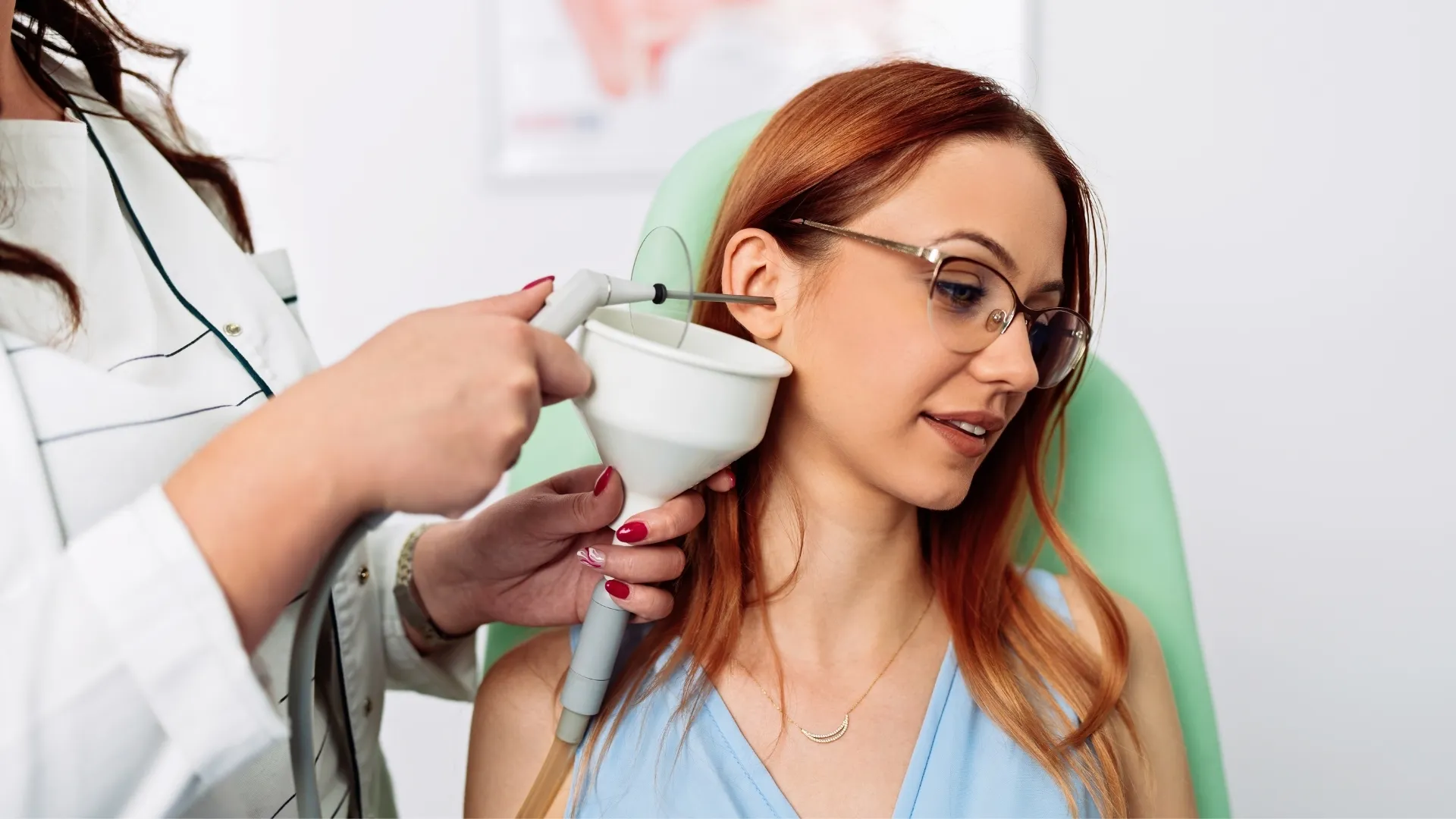
However, if wax buildup becomes uncomfortable or begins affecting hearing, professional care may be helpful. A hearing specialist can examine the ear canal and safely remove excess wax if needed.
Safe removal methods may include:
- Gentle irrigation with warm water
- Special suction tools
- Small medical instruments designed for ear care
These methods are designed to remove wax without damaging the ear.
When to See a Hearing Professional
If you notice changes in your hearing, ear discomfort, or persistent ringing in your ears, it may be time to schedule a hearing evaluation. Sometimes what seems like simple wax buildup may actually be related to a hearing condition.
A professional exam can determine whether wax removal is necessary or if another issue is affecting your hearing. If hearing loss is suspected, a specialist may evaluate your hearing ability and recommend appropriate care.
In Conclusion
Earwax is not something to fear or constantly remove. It is a natural substance that helps protect the ears from debris, dryness, and infection. Most ears clean themselves naturally without any help. Problems usually occur only when wax builds up or is pushed deeper into the ear canal.
Avoid inserting objects into the ear, and pay attention to symptoms such as muffled hearing or discomfort. If concerns arise, a hearing professional can safely examine and treat the issue. Understanding how earwax works helps people care for their ears more safely and effectively.