(618) 467-8889

How Earwax Impacts Hearing (and When to Leave It Alone)
In Hearing Health by Aaron Gingrich, HIS (Hearing Instrument Specialist) — President and Founder, Absolute Audio Inc., Jerseyville, Illinois / February 17, 2026
Earwax is something most people do not think about until it becomes a problem. It can feel unpleasant, look bothersome, and even cause mild embarrassment. Many people assume it is dirty or a sign of poor hygiene. In reality, earwax is a natural protective substance that plays a vital role in ear health. Understanding what earwax does, how it affects hearing, and when it should be removed can help people avoid unnecessary irritation or injury.
Why the Ear Produces Earwax
Earwax forms from a mixture of oils, dead skin cells, and tiny amounts of sweat produced inside the ear canal. The body makes earwax to keep the ear healthy. It acts like a natural filter against dust, bacteria, and small particles. Without earwax, foreign matter could reach the delicate eardrum more easily.
Earwax also provides moisture, which prevents the ear canal from drying out and cracking. This is important because dry skin inside the canal can become painful and can increase the risk of infection.
How Earwax Moves on Its Own
Earwax usually cleans itself out naturally. Every day, jaw movements, such as chewing and talking, help push older wax outward. Once it reaches the outer ear, it dries out and falls away, or can be gently wiped off. Because the process is automatic, routine ear cleaning inside the canal is usually unnecessary.
When Earwax Affects Hearing
Sometimes, earwax builds up faster than the body can remove it. A blockage can form if the wax hardens, becomes sticky, or becomes impacted. In these cases, a person may notice symptoms such as:
- Muffled hearing
- A feeling of fullness in the ear
- Ringing or buzzing sounds
- Mild earache
- Difficulty using earphones or earbuds
These symptoms occur because sound waves cannot travel through the canal as easily. The blockage does not permanently harm the ear, but it can make listening more difficult until the wax is removed.
What Causes Blocked Earwax
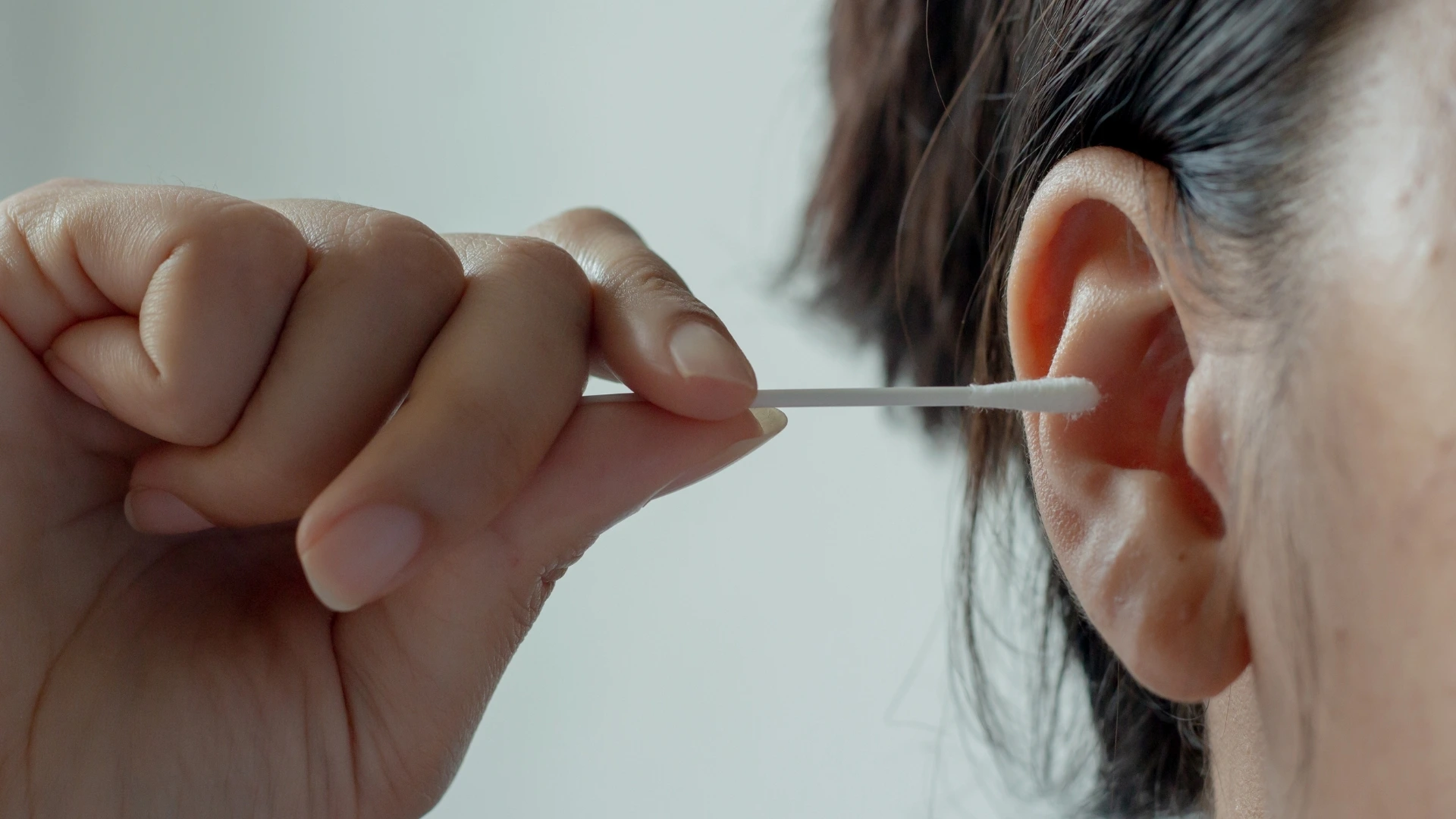
Several factors can increase the chance of buildup. Some people naturally produce more wax than others. Narrow or curved ear canals may trap wax more easily. Older adults often experience drier wax that does not move on its own. People who use earbuds, hearing aids, or earplugs may push wax deeper into the canal. Cotton swabs can also create impaction because they tend to push material inward rather than remove it.
Because prevention is easier than treatment, avoiding deep insertion of objects is one of the most critical steps in ear care.
When Earwax Should Be Removed
Earwax should be removed when it clearly affects hearing, causes discomfort, or interferes with medical exams or hearing device fittings. In these cases, professional care is the safest approach. Clinicians can use irrigation, suction, or specialized tools to remove wax without damaging the ear canal.
Home removal can be safe when done correctly, but specific methods should be avoided. Over-the-counter drops can soften wax and may help it move naturally. However, individuals should not use drops if they suspect a hole in the eardrum, have drainage, or are experiencing ear pain. Ear candles should never be used because they are not proven to work and may cause burns or injury.
When to Leave Earwax Alone
In many cases, earwax should not be disturbed. If it is not causing symptoms, it is usually best left alone. Attempting to remove wax too often can irritate the skin, stimulate more production, and increase the risk of infection.
Signs That Medical Attention Is Needed
It is essential to seek medical evaluation if earwax problems are accompanied by:
- Persistent pain
- Fluid drainage
- Sudden hearing changes
- Dizziness
- A feeling that something is stuck in the ear
These signs may suggest a condition unrelated to wax and should be examined by a professional.
The Relationship Between Earwax and Hearing Devices
People who wear hearing aids or earplugs are more likely to experience wax buildup because these devices block the natural movement of wax toward the outer ear. Regular maintenance visits can help prevent performance issues. Wax guards, when used correctly, can protect device openings.
Ignoring wax buildup can muffle sound quality and may shorten device lifespan. Routine checks help ensure clearer listening and avoid preventable repairs.
Healthy Habits for Ear Care
Simple habits can support long-term ear health:
- Do not insert cotton swabs into the ear canal
- Let the ear clean itself naturally
- Use softening drops only when appropriate
- Ask a clinician before attempting home removal
- Schedule routine hearing checks
These steps help prevent damage and allow professionals to monitor changes.
Conclusion
Earwax is not a sign of poor hygiene. It protects the ear from infection, moisture loss, and irritation. Although wax can sometimes become impacted, affecting hearing, most cases resolve with simple care or professional attention. Understanding when to remove earwax and when to leave it alone helps support safer habits and long-term hearing wellness.