(618) 467-8889

Waterproof Fitness and Swimming Tips for Hearing Aid Users
Exercise is a major part of being healthy, and that extends to hearing also. However, for people who use hearing aids, fitness exercises, particularly those that involve a lot of sweating, running in water, or a lot of movement, may present certain difficulties. The positive side is that new hearing aids and accessories are made to assist active lives. With a proper set of instructions and accessories, one can exercise, swim, and be outdoors with hearing aids covered and functioning well.
Managing Sweat and Motion
One of the most common issues encountered by users of hearing aids among people who exercise is sweat. Sweat may affect the performance of the hearing aid by causing the sound to be distorted or causing the hearing aid to malfunction temporarily. To avoid this, most users of hearing aids would choose those with higher IP (ingress protection) ratings, indicating higher resistance to moisture and debris.
It is also possible to absorb moisture by wearing sweat bands over the head, or by using specially made covers over hearing aids. Certain products are made to absorb the sweat off the ears as well as allow the ears to breathe, making them suited to running or cycling as well as working out in the gym. After workouts, it is also possible to put the devices into a small dehumidifier or drying case to get rid of any excess moisture.
Swimming and Hearing Aid Safety
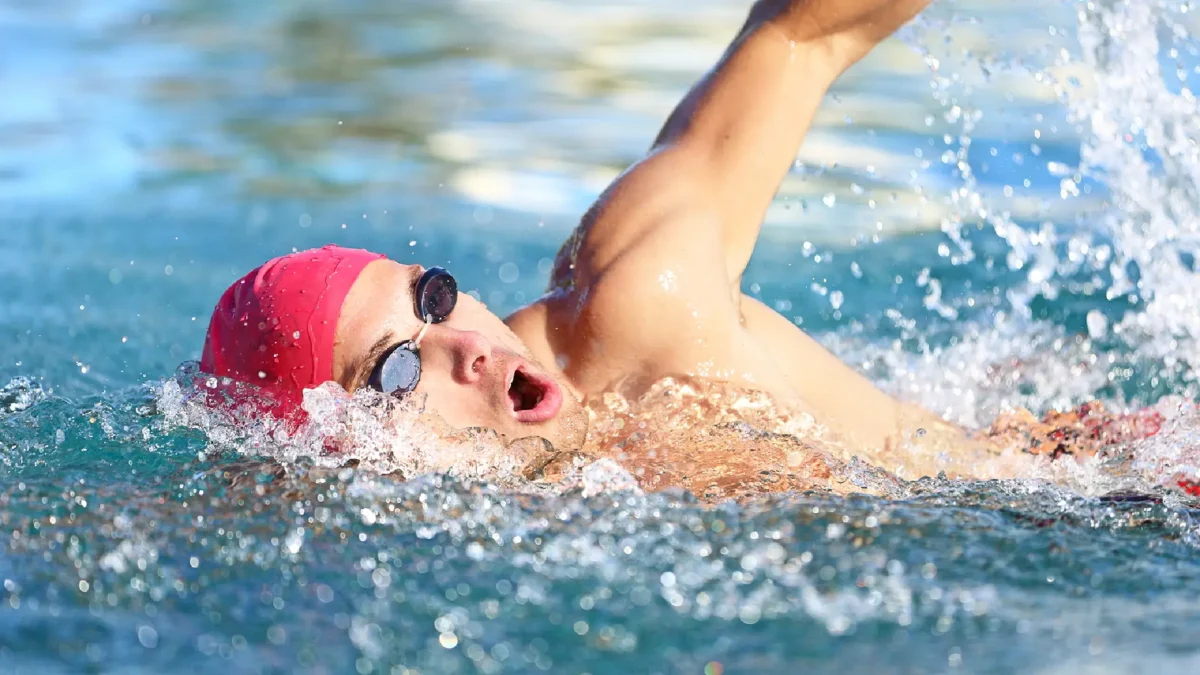
Swimming requires special precautions for those who use hearing aids. Most hearing systems are not completely waterproof. This implies that they cannot be immersed in water or even worn during swimming unless they are designed specifically to be used that way.
The best choice is to take hearing aids off when swimming. Then put them in a protective case that is waterproof. A small percentage of users of hearing aids choose to wear custom swim plugs in order to keep the water out of the ear canal, particularly when they have a history of ear infection or when using an open-fit hearing aid.
Individuals who desire to hear in or around the water can have waterproof-type accessories and other water-friendly ear devices, such as a waterproof cochlear processor or bone conduction headphones. These are not an alternative to hearing aids; they can only offer some support for the water environment.
Once you have finished swimming, ensure that you dry your ears properly before inserting hearing aids. The trapped moisture can be prevented by using a towel and tilting the head so that the water can naturally drain to prevent damage to the devices and the ear canal.
Tips for Staying Active with Hearing Aids
Active hearing aid users should establish basic maintenance procedures before and after exercise to achieve optimal device performance. The use of sweat-proof sleeves or clips allows you to maintain your hearing aids in position while moving. The cleaning process for your hearing aids requires a dry cloth to remove moisture and debris after each workout session.
You must never place your hearing aids inside a gym bag or any environment that could become damp. Store your hearing aids in protective cases whenever they are not in use. You should carry extra batteries or your charger during extended workouts to maintain a continuous power supply.
Inform your fitness instructor and workout partners about your hearing needs so they can assist you in following instructions better. The sound adjustment feature of certain hearing aid brands through mobile applications proves beneficial during gym workouts because of the loud gym environments.
Choosing Hearing Aids for Active Lifestyles
When choosing hearing aids, individuals with an active lifestyle might consider focusing on features such as water resistance, reliable fit, and long life span. Many newer models are health-oriented, featuring sophisticated sweat and moisture protection, rechargeable batteries, and personal settings.
The behind-the-ear and receiver-in-canal models are more likely to fit and be used in sporting activities and exercising because of their comfortable fit and availability. Nevertheless, a hearing health professional may assist in determining what kind of hearing aid will be the most appropriate given a certain level of activity and hearing need.
Exercise not only improves cardiovascular and muscular fitness but also helps in dealing with hearing problems because the blood reaches the ears freely. Individuals using hearing aids can also stay fit as long as they make prior preparations and use the appropriate accessories for the protection of their devices in terms of security and performance.