(618) 467-8889

Why Farmers Are at High Risk for Hearing Loss
In Hearing Health by Aaron Gingrich, HIS (Hearing Instrument Specialist) — President and Founder, Absolute Audio Inc., Jerseyville, Illinois / July 30, 2025
Farming is a fundamental yet hazardous part of modern society. Long hours and loud machinery expose farmers to harmful noise levels, and many don’t realize the damage until it is too late. Hearing protection often seems less important than preventing physical injury, given seasonal demands and long days. However, farming families can take easy measures to preserve their hearing without compromising production if they know these hazards. Maintaining hearing health is just as important as being safe from visible physical hazards on the job.
The Noisy Reality of Farm Life
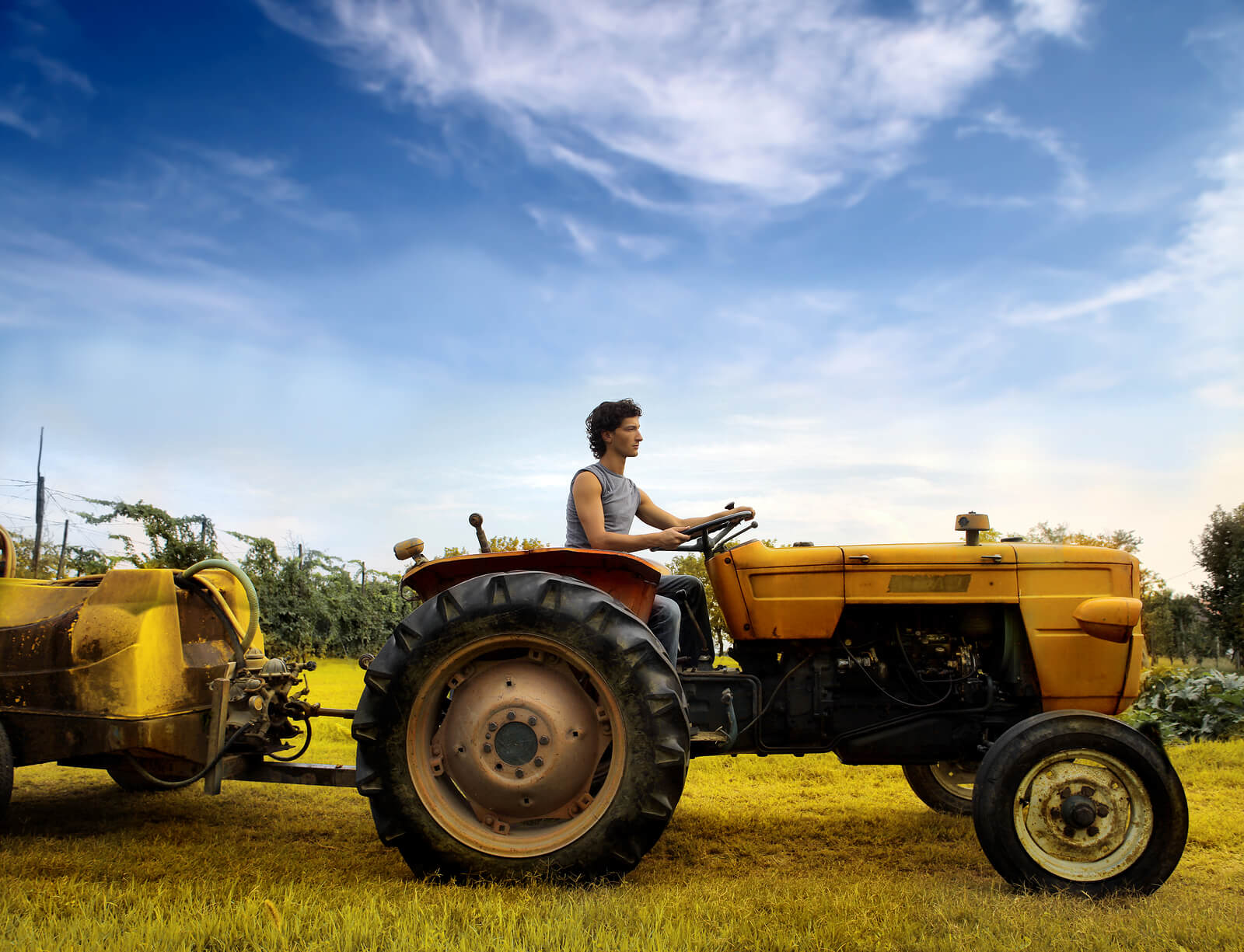
Particularly tractors and grain dryers, farm equipment creates noise that often exceeds safe listening levels, sometimes above 85 decibels, the level at which hearing damage starts. A tractor without a cab usually runs at 95-100 decibels, causing permanent hearing loss after only two hours of exposure.
Enclosed spaces like grain facilities can amplify sounds as noise bounces off metal surfaces. The overall impact makes farming especially dangerous to hearing health. Unlike many jobs with foreseeable noise patterns, farming involves seasonal shifts with intense periods of 10-16 hours daily during planting or harvest.
Livestock: An Overlooked Source of Noise
While machinery often gets attention for noise hazards, livestock operations present substantial hearing risks that many farmers overlook. Hog barns during feeding time can measure up to 110 decibels, louder than a chainsaw. Cattle facilities and milking parlors also generate significant noise from animals, pumps, and ventilation systems that builds up over long workdays.
The unpredictable nature of animal sounds adds another dimension to the risk. Unlike machinery that can be turned off, livestock create sudden loud noises, like pig squeals during handling, that can reach 130 decibels. These unexpected noise bursts can trigger acoustic trauma even from brief exposures. Since animal care requires daily attention year-round, livestock farmers face almost continuous noise exposure.
Warning Signs of Hearing Damage
Hearing loss typically develops gradually, making it easy to miss early warning signs. First symptoms include difficulty understanding conversations in noisy environments, frequently asking others to repeat themselves, or turning up the television volume. Many farmers report persistent ringing in the ears (tinnitus) after working with loud equipment, signaling that damage has occurred.
The social impact extends beyond the fields. Farmers with hearing damage often withdraw from community activities when they struggle to follow conversations. Family members frequently notice these changes first, observing that the farmer seems inattentive during conversations. By the time these symptoms become obvious, the hearing damage is permanent, highlighting the importance of early prevention.
Practical Hearing Protection Strategies for Farmers
Hearing protection only works when it’s actually used, making comfort and convenience necessary for busy farmers. The most effective approach combines properly fitted earplugs or earmuffs with practical adjustments to work routines. In-cab noise levels can be reduced by maintaining engine mufflers, replacing worn cab insulation, and keeping windows closed when possible.
Technology offers increasingly practical solutions for agricultural settings. Active noise-canceling earmuffs with communication capabilities let farmers stay protected while maintaining necessary communication. Furthermore, scheduling provides another protection strategy: arranging louder tasks during shorter time blocks with breaks. Regular hearing checks can catch problems early, especially important for older farmers.
Taking Action to Preserve Farm Hearing Health
Protecting your hearing should be part of routine agricultural safety. Use earplugs near noisy machinery, keep tractor cabs closed, and protect your ears during grain handling. These easy techniques can protect your hearing, keeping you connected to family, animals, and warning noises. To keep these relationships going throughout your agricultural career, start today.
Ready to preserve your hearing for life on the farm? Schedule a baseline hearing exam today and determine the protection alternatives that work best for your operation.