(618) 467-8889

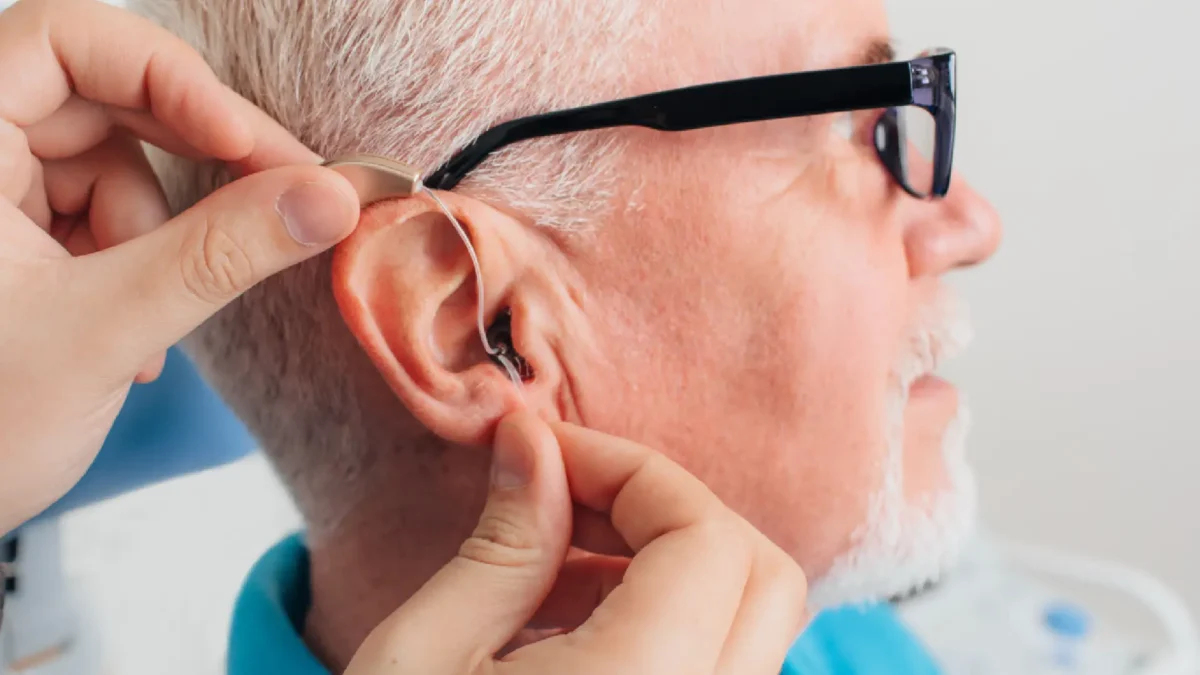
How to Adjust to Hearing Aids in the First 90 Days
Acclimatization to hearing aids is a time-consuming process with realistic expectations. Like adapting to a new pair of glasses, it is typical that the brain and the ears require some time to get used to it. The improvements for many people occur in phases, namely, the initial 30, 60, and 90 days. These initial months are decisive in terms of setting a routine, comfort establishment, and learning how to get the most out of the hearing aids in various environments.
The first 30 days of hearing aid use
The orientation takes place during the first month. Users during this period tend to hear some sounds that they have not heard in some time. Trivial sounds such as footsteps, clock ticks, and the paper rustling might be louder than imagined. This is due to the fact that the brain is re-learning to process sound. It is an indication that the devices are functioning, even though it may seem overwhelming at first.
Begin by using the hearing aids for a couple of hours per day. Progressively increase the time of usage in order to develop comfort. Start in quiet environments back at home and gradually transition into more noisy places such as restaurants or shops. It is also possible to keep a journal of the sound experience that would allow tracing progress and detecting any corrections that can be made during the follow-up sessions.
Regular visits with a hearing health professional at this level are beneficial. A small change of volume or programming can be a big factor. It is also important at this time to educate on how hearing aids operate. Learn about its cleaning, battery replacement, and recharging.
Progressing through the next 30 days
By the 60-day mark, users generally start feeling more confident. Sounds become more natural as the brain adapts. Most people can wear their devices all day with few issues, and speech clarity often improves.
It is high time to start practicing more demanding listening situations. Activities like social, outdoor, or even talking on the phone using the hearing aid, such as Bluetooth streaming, can now be practiced. Such scenarios provide an opportunity to evaluate the ways the hearing aids can be optimized better in various settings and what features might require additional adjustment.
Listening fatigue can also occur, and this happens mainly after spending long days in noisy environments. It is significant to take breaks and communicate with a hearing health professional about the concerns. Depending on their experiences, the users might require extra programming to enhance comfort or sound clarity.
Fine-tuning at 90 days and beyond
At the close of the third month, users of hearing aids will normally experience a better quality of life and confidence during conversations. The majority of background noises are less noticeable, and less attention is needed to listen. The brain has adjusted to the new way of hearing, and the devices become a natural part of daily routines.
This stage is ideal for revisiting communication goals. Advanced features like directional microphones or noise reduction can be adjusted if certain environments still present difficulties. For those with connected devices, learning how to use smartphone apps for volume control or remote support can improve daily use.
Normal cleansing and keeping the devices dry is another way of maintaining them, which would guarantee long-term performance. Routine follow-ups should be planned after every six months or as advised, to maintain further success and to assist in dealing with the changes in hearing over time.
Practical tips for acclimating to hearing aids
It takes time and perseverance to get used to hearing aids. Wearing them daily, although initially with short periods, aids this. This is because daily use helps the brain to adapt and build lasting habits. It is simpler to get used to new sounds initially in a quiet and peaceful location, for example, at home, before trying increasingly challenging situations, for example, listening in a crowd or dining in a crowded restaurant. Being more attentive to nonverbal communication, the movement of lips and facial expressions can also help communicate a lot more naturally and a lot less threatening. In face-to-face discussions, attempt to mute the background noise. This may be switching off the TV or even having a conversation in a less noisy place so that one can hear better. During this process, one should maintain contact with a hearing health professional. They will be able to support them, make alterations, and assist in overcoming any special problems.
Building long-term confidence
The process of getting used to hearing aids is gradual. Every individual changes differently, and there is nothing wrong with the idea that one will require additional support. Staying motivated and in contact with a hearing health professional will go a long way in achieving the result.
The initial 90 days will only be the initial steps to a good hearing life. Hearing aids will be a necessary item to remain connected and active, as the brain will start developing confidence and become accustomed to using the device.